Pest problems are frustrating for tenants, but they can also become expensive for rental property owners. In a warm, humid state like South Carolina, insects and other pests are a common concern. For landlords in Clemson, prevention is often much easier than dealing with an active issue after a tenant has already moved in.
Pest-proofing a rental property does not have to mean overcomplicating your maintenance plan. In many cases, it comes down to keeping the property clean, sealed, dry, and well maintained. Small steps like sealing gaps, managing moisture, trimming landscaping, and responding quickly to maintenance concerns can help reduce pest activity and protect the property over time.
At Jayroe Realty & Management, we understand that rental owners want to protect their investment while providing tenants with a clean, comfortable home. Whether you own one rental property or multiple investment homes in the Clemson area, this checklist can help you reduce avoidable pest issues before they become bigger problems.
Key Takeaways
- Clemson rental properties can be more vulnerable to pests because of South Carolina’s warm, humid climate.
- Moisture, food sources, clutter, gaps, and poor exterior maintenance can all attract pests.
- Regular inspections and seasonal maintenance can help owners catch small issues early.
- Pest prevention should be part of the turnover process before a new tenant moves in.
- A property management company can help coordinate maintenance, inspections, and tenant communication.
1. Seal Gaps Around Doors and Windows
Many pest issues start with small entry points. Insects, rodents, and other pests can enter through gaps that may not look significant at first glance.
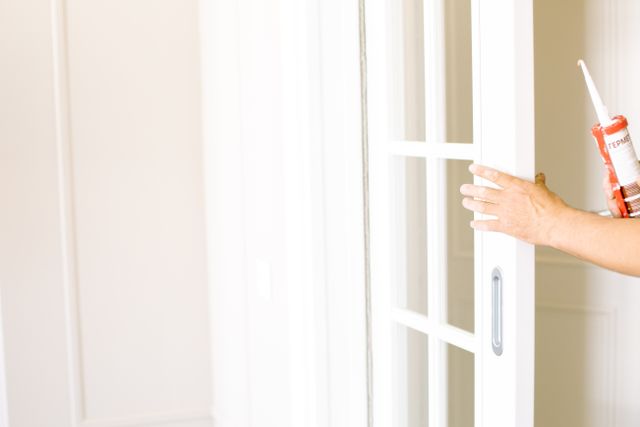
Before listing your rental or during your next property inspection, check around:
- Exterior doors
- Window frames
- Garage doors
- Crawl space access points
- Utility line openings
- Dryer vents
- Foundation gaps
- Attic vents
- Siding penetrations
Weatherstripping, door sweeps, caulk, and minor exterior repairs can go a long way. If you can see daylight under a door or feel a draft around a window, that may be enough space for pests to get inside.
This is especially important during tenant turnover. A vacant property may sit for a short period before move-in, giving pests an opportunity to find shelter if entry points are not properly sealed.
2. Keep Moisture Under Control
Moisture is one of the biggest pest attractants. In South Carolina, humidity, rain, crawl space moisture, plumbing leaks, and poor drainage can all contribute to conditions that pests like. Rental owners should watch for:
- Leaky faucets
- Slow plumbing drips
- Moisture under sinks
- Poor bathroom ventilation
- Clogged gutters
- Downspouts draining too close to the foundation
- Standing water near the home
- Damp crawl spaces
- Soft or damaged wood
Moisture problems can also create larger maintenance concerns, including mold, wood damage, and structural deterioration. That is why moisture prevention is not just a pest control issue. It is a property protection issue. Make sure bathroom exhaust fans work properly, gutters are cleaned as needed, and tenants know how to report leaks quickly. A small drip that goes unreported can create the right conditions for pests and lead to a more expensive repair later.
3. Manage Landscaping Around the Property
Curb appeal matters, but landscaping also plays a role in pest prevention.
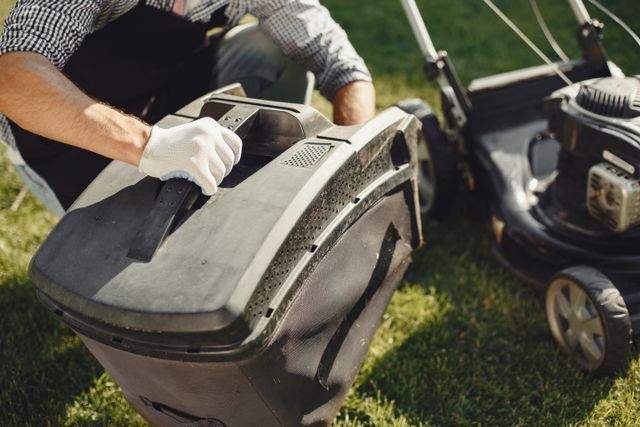
Overgrown shrubs, tree branches touching the roof, leaves piled against the foundation, and heavy mulch close to the home can all create pest-friendly conditions. For a Clemson rental property, owners should keep the exterior maintained by:
- Trimming shrubs away from siding
- Keeping tree branches off the roof
- Removing leaf piles and yard debris
- Avoiding excess mulch against the foundation
- Keeping grass cut regularly
- Clearing vegetation around crawl space vents
- Making sure outdoor trash areas stay tidy
Landscaping should not create a bridge into the home. Branches, vines, and shrubs that touch the house can make it easier for pests to access siding, windows, vents, and rooflines. A clean exterior also sends a message to tenants that the property is being cared for. That can encourage better tenant habits and faster reporting when something looks wrong.
4. Check Gutters and Drainage
Gutters are easy to overlook, but they can contribute to pest problems if they are clogged or damaged. Clogged gutters can hold standing water, attract insects, and cause moisture to collect near the roofline or foundation. Rental owners should make sure:
- Gutters are clear of leaves and debris
- Downspouts direct water away from the foundation
- Water does not pool near the home
- Splash blocks or extensions are in place where needed
- Roofline drainage is not damaging fascia or siding
This matters in Clemson because heavy rain and seasonal storms can quickly reveal drainage problems. If water is not moving away from the home correctly, it can increase moisture around the foundation and create conditions pests are drawn to.
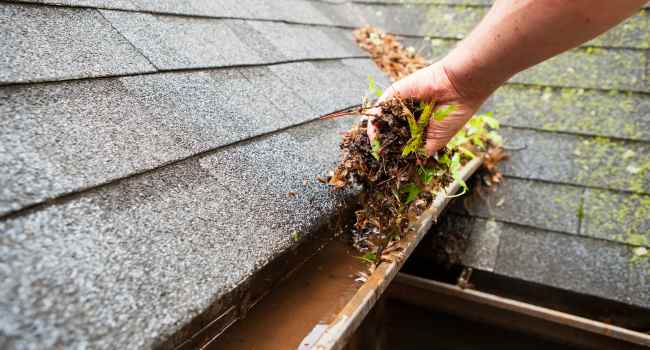
Gutter and drainage checks are especially useful in spring and fall, but they should also be part of your post-storm property review.
5. Address Trash and Food Sources
Pests are often attracted to easy food sources. While tenants are usually responsible for day-to-day cleanliness inside the home, owners can still set the property up for success. Make sure the rental has:
- Proper trash bin storage
- A clean outdoor trash area
- Secure lids on exterior bins, where applicable
- No leftover trash after turnover
- No food debris in cabinets or drawers
- Clear lease or move-in instructions about trash expectations
- Clean kitchen appliances before move-in
During turnover, check behind appliances, inside cabinets, under sinks, and around pantry areas. Crumbs, grease, and old food packaging can attract pests before the next tenant even moves in. A clean property at move-in helps set the standard for how tenants should maintain the home.
6. Inspect Crawl Spaces, Attics, and Utility Areas
Some of the most important areas of a rental property are also the least visible. Crawl spaces, attics, garages, sheds, and utility closets can hide early signs of pest activity. During routine maintenance or inspections, look for:
- Droppings
- Damaged insulation
- Chewed materials
- Moisture or standing water
- Gaps around utility lines
- Torn vent screens
- Mud tubes or damaged wood
- Unusual odors
- Nesting materials
Clemson University’s extension resources identify termites, carpenter ants, cockroaches, fire ants, mosquitoes, ticks, and other structural or household pests as common pest concerns in South Carolina. Because some pests can cause property damage, owners should take early warning signs seriously.
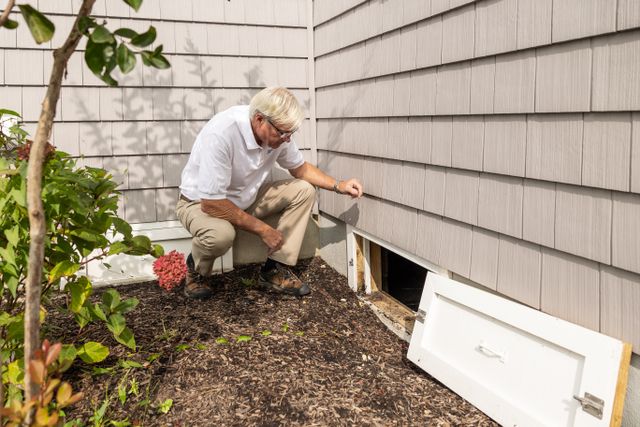
If you see signs of wood-destroying insects, do not rely on guesswork. Termite and carpenter ant issues can require different treatment approaches, so it is better to have a qualified professional evaluate the situation.
7. Make Pest Checks Part of Tenant Turnover
Tenant turnover is one of the best times to pest-proof a rental. The property is empty, easier to inspect, and more accessible for repairs or treatments. Before a new tenant moves in, complete a basic pest-prevention review:
- Deep clean the kitchen and bathrooms
- Remove all trash and debris
- Check under sinks for leaks
- Seal obvious gaps
- Inspect doors and windows
- Look behind appliances
- Check attic, garage, and crawl space access points
- Confirm exterior trash areas are clean
- Trim vegetation near the home
- Schedule professional treatment if needed
This is also a good time to document the property condition. Photos and inspection notes can help owners track recurring issues and distinguish between ongoing property concerns and tenant-related problems.
8. Communicate Tenant Responsibilities Clearly
Pest prevention works best when owners and tenants both understand their responsibilities. Tenants should know how to maintain the home day to day and when to report problems. Helpful reminders may include:
- Store food properly
- Take trash out regularly
- Keep counters and floors clean
- Report leaks quickly
- Do not leave standing water
- Notify management about pest sightings
- Avoid blocking vents or access areas
- Keep outdoor areas reasonably clean
Clear communication can prevent small issues from being ignored. For example, one ant trail or a single leak under the sink may not seem urgent to a tenant, but early reporting can help prevent a larger problem.
9. Schedule Professional Help When Needed
Not every pest concern should be handled with a DIY approach. If there are signs of termites, recurring roaches, rodents, carpenter ants, or a persistent infestation, it is usually best to contact a licensed pest professional. Professional treatment may be especially important when:
- The issue keeps coming back
- Multiple areas of the home are affected
- There are signs of wood damage
- The pest type is unclear
- The property has a crawl space or moisture issue
- A tenant reports repeated sightings
- You are preparing the home for a new lease
Trying to save money with a short-term fix can sometimes lead to higher costs later. A professional can identify the pest, locate entry points, recommend treatment, and help prevent recurrence.
Protect Your Clemson Rental With Preventative Management
Pest-proofing your rental property is not just about comfort. It is about protecting your investment, reducing avoidable maintenance calls, and creating a better rental experience for your tenants. For Clemson rental owners, prevention starts with the basics: seal the home, control moisture, maintain the exterior, check hidden areas, clean thoroughly between tenants, and respond quickly when concerns arise.
At Jayroe Realty & Management, we help South Carolina rental property owners manage the details that keep their investments operating smoothly. From maintenance coordination and inspections to tenant communication and full-service property management, our team works to protect your property and reduce the stress of rental ownership.
If you own a rental home in Clemson, South Carolina, Jayroe Realty & Management can help you stay proactive, protect your investment, and keep your property ready for long-term success.