Key Takeaways
- A tenant walk-through inspection helps Greenville rental owners document property condition before move-in, during tenancy, and after move-out.
- Clear photos, written notes, and signed inspection forms can reduce confusion over damage, repairs, and security deposit deductions.
- South Carolina landlords should understand how inspection documentation connects to lease compliance and deposit accounting.
- Walk-throughs are not just about finding damage. They also help identify maintenance issues before they become more expensive.
- A professional property manager can help owners create a consistent inspection process, coordinate repairs, and keep better records.
A tenant walk-through inspection is one of the simplest ways to protect your Greenville rental property, but it is also one of the easiest steps for owners to rush. When you are trying to get a tenant moved in, prepare for a move-out, or turn the property quickly, it can be tempting to do a quick visual check and move on.
Without clear documentation, it becomes much harder to prove what condition the property was in before the tenant took possession. It also becomes harder to determine whether an issue is normal wear and tear, tenant-caused damage, deferred maintenance, or something that should have been addressed earlier.
In a market like Greenville, where rental demand is shaped by job growth, relocating residents, downtown development, nearby employers, and surrounding Upstate communities, owners need to stay organized. A clean, well-documented walk-through process can reduce disputes, support better maintenance planning, and help protect long-term rental income.

At Jayroe Realty & Management, we work with South Carolina property owners who want to protect their assets without spending all of their time managing the day-to-day details. Walk-through inspections are an important part of that process because they connect leasing, tenant relations, maintenance, documentation, and owner reporting.
Understand the Purpose of the Walk-Through
A tenant walk-through inspection is not just a quick tour of the home. It is a formal review of the property’s condition at a specific point in time.
For rental owners, the goal is to create a clear record. A good walk-through benefits both owners and tenants. Tenants have the opportunity to point out existing issues so they are not blamed for them later. Owners get better protection if damage occurs during the lease. Everyone has a clearer understanding of the property’s condition.
Schedule the Inspection at the Right Time
For a move-in inspection, the best time is after cleaning and repairs are complete, but before the tenant moves in furniture or personal belongings. This gives you a clean view of floors, walls, appliances, fixtures, doors, windows, and outdoor areas.
For a move-out inspection, schedule it after the tenant has removed all belongings and returned the keys. If the tenant is still packing, cleaning, or moving items, it may be difficult to see the true condition of the property.
Owners should also consider periodic inspections during the lease when allowed under the lease agreement and applicable law. These inspections are not meant to invade the tenant’s privacy. They are meant to catch maintenance concerns, confirm lease compliance, and make sure the property is being cared for.
In Greenville, this can be especially helpful for single-family homes with yards, porches, decks, crawl spaces, gutters, HVAC systems, and exterior drainage concerns. Small issues can become expensive when they are ignored for months.
Use a Consistent Inspection Checklist
A walk-through should follow the same process every time. That is where a checklist becomes valuable.
Start outside the property. Look at the yard, driveway, walkways, porch, deck, siding, roofline, gutters, exterior doors, windows, lighting, fencing, mailbox, and any storage areas. Note anything damaged, missing, unsafe, or in need of maintenance.
Then move inside room by room. In each room, check:
- Walls, ceilings, and flooring.
- Doors, locks, and windows.
- Light fixtures, outlets, and switches.
- Smoke detectors and safety features.
- Plumbing fixtures and visible leaks.
- Appliances and HVAC function.
- Cabinets, countertops, and built-ins.
- Signs of pests, moisture, or damage.
For bathrooms and kitchens, be especially detailed. These areas tend to involve more plumbing, appliances, surfaces, and potential repair costs. Check under sinks, around toilets, near tubs and showers, behind appliances when accessible, and around caulking or grout.
A consistent checklist helps prevent missed items. It also creates a fairer process because every tenant and every property is reviewed using the same standards.
Take Clear Photos and Videos
Written notes are important, but photos and videos add another layer of protection. Take clear, well-lit photos of each room and major features. Include wide shots that show the general condition of the space and close-up photos of any damage. If there is a scratch, stain, dent, crack, missing item, or repair concern, document it from more than one angle.
Videos can also be helpful, especially when showing how appliances, doors, windows, faucets, lights, or HVAC systems function. For example, a short video showing that the oven turns on, the dishwasher runs, or the garage door operates can be useful if questions come up later.
Make sure photos and videos are dated and stored securely. Do not leave documentation scattered across text messages, personal phones, or handwritten notes that can be lost. Owners should keep inspection records with the lease, tenant file, repair history, and move-in or move-out documents.
Know the Difference Between Damage and Normal Wear
One of the biggest sources of conflict between owners and tenants is the difference between tenant damage and normal wear and tear.
Normal wear usually refers to the expected decline that happens from ordinary use. Minor carpet wear, small nail holes, light scuff marks, or fading paint may fall into this category depending on the situation, lease terms, and length of tenancy.
Damage is different. Large holes in walls, broken doors, missing fixtures, pet damage, heavy stains, cracked tiles, unauthorized alterations, or neglected yard responsibilities may go beyond ordinary use.
This distinction matters because security deposit deductions should be tied to actual damages, unpaid rent, or other allowable charges under the lease and South Carolina law. Documentation from the move-in inspection makes it much easier to compare the property’s original condition with its condition at move-out.
Give the Tenant a Chance to Review the Move-In Condition
A move-in inspection should not be one-sided. Tenants should have a chance to review the property and report anything they notice shortly after taking possession.
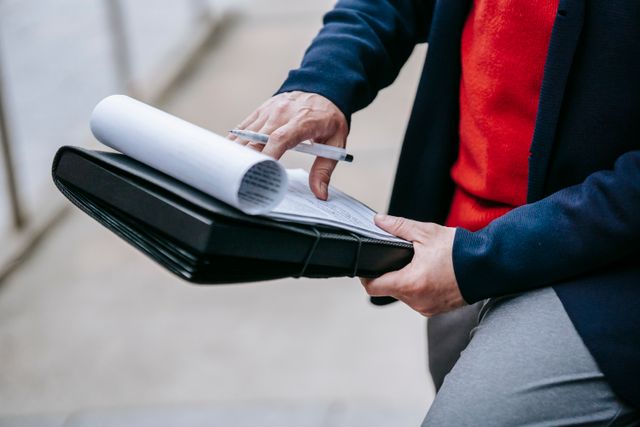
This can be handled with a move-in condition form. The tenant can note existing scratches, stains, dents, missing items, or maintenance concerns. The owner or manager can then review those notes, determine what needs repair, and keep the signed form in the tenant file.
This step helps build trust. It shows the tenant that you are not trying to hold them responsible for pre-existing issues. It also encourages them to communicate early, which can lead to better tenant relationships throughout the lease.
For Greenville owners, that relationship matters. A good tenant who renews their lease, reports maintenance promptly, and takes care of the property can save you turnover costs, vacancy loss, and unnecessary stress.
Address Maintenance Issues Promptly
A walk-through inspection is only useful if you act on what you find.
If the inspection reveals a leaking faucet, loose railing, damaged step, malfunctioning appliance, pest concern, or HVAC issue, document it and create a repair plan. Delaying repairs can lead to more expensive damage and tenant dissatisfaction.
South Carolina landlords have responsibilities related to maintaining fit premises, including keeping certain systems and facilities in safe working order. Beyond legal obligations, prompt maintenance protects the value of your investment and improves tenant retention.
This is one reason professional maintenance coordination is so important. Jayroe Realty & Management provides maintenance coordination as part of its property management services, helping owners handle repair needs without having to personally chase vendors, schedule access, and follow up on every issue.
Keep Communication Professional and Written
Walk-through inspections can involve sensitive conversations, especially at move-out. Tenants may disagree with damage findings or security deposit deductions. Owners may feel frustrated if the property was not returned in the expected condition.
Professional communication helps keep the process calm and clear. Whenever possible, put important inspection-related communication in writing. Confirm inspection dates, repair expectations, tenant responsibilities, and move-out instructions. If deductions are necessary, provide an itemized explanation supported by documentation.
Avoid vague statements like “property left in bad condition.” Be specific. For example, note that the living room wall had a large hole, the bedroom carpet had pet staining, or the refrigerator shelf was missing. Specific documentation is much stronger than general complaints.
Use Inspections to Improve Long-Term Property Performance
Walk-through inspections are not only about the current tenant. They also help owners make better decisions about the property over time.
If you notice the same issues after every tenancy, it may be time to make a change. Maybe the flooring is not durable enough for a rental. Maybe the landscaping is too difficult for tenants to maintain. Maybe appliances are aging and causing repeated service calls. Maybe the property needs better move-in instructions or clearer lease terms.
A strong inspection process gives you data. It helps you see patterns, plan capital improvements, and decide which updates may reduce future maintenance costs or improve tenant satisfaction.
How Jayroe Realty & Management Helps Greenville Owners
Conducting a tenant walk-through inspection takes time, consistency, and attention to detail. For owners managing one rental, it can be easy to underestimate the amount of documentation involved. For owners with multiple properties, inspections can quickly become overwhelming.
Jayroe Realty & Management helps South Carolina rental owners protect their properties with full-service management support, including leasing, tenant relations, rent collection, maintenance coordination, regular physical inspections with reports, and operational reporting.
Our goal is to help owners maximize income, reduce vacancy time, protect their assets, and maintain ownership profitability. A thorough inspection process supports all of those goals.
If you own a rental property in Greenville, a walk-through inspection should be more than a formality. It should be a repeatable system that protects your property, supports fair tenant relationships, and helps you make better decisions as an investor.
With the right process in place, you can reduce disputes, catch maintenance issues earlier, and feel more confident about the condition of your rental property from move-in to move-out.